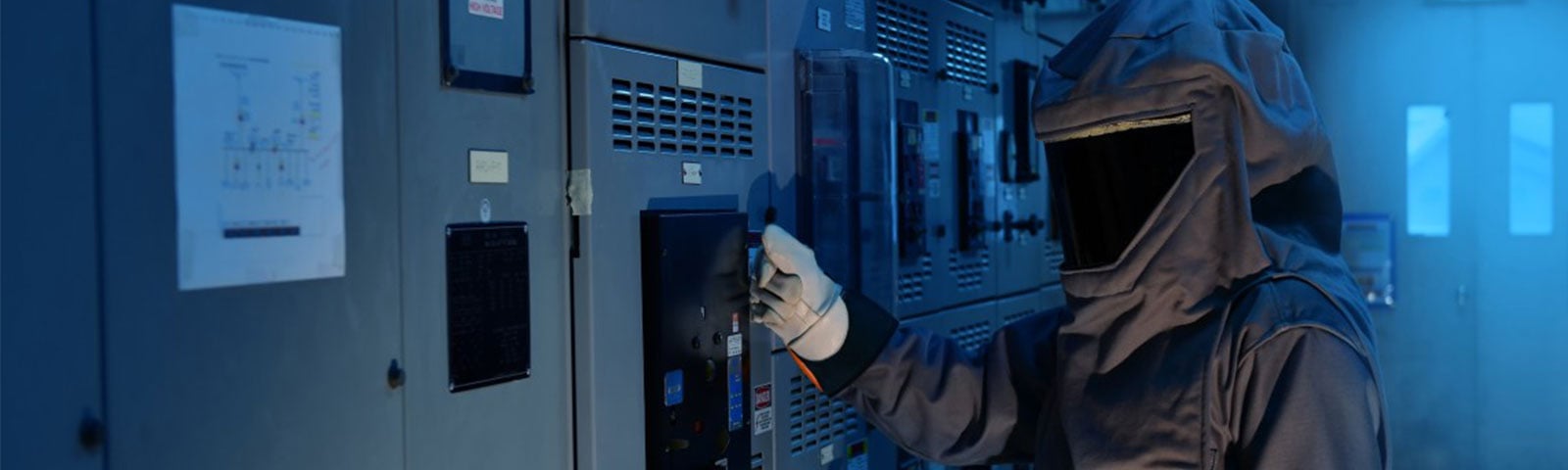
Think your arc flash study is valid until its five-year mark? That is not always the case. Many facilities assume that once an assessment is complete, it remains accurate, but even small changes to your electrical system can affect arc flash boundaries and incident energy levels. Relying only on the study’s age can increase worker risk, create compliance gaps, and result in financial exposure.
The National Fire Protection Association (NFPA) 70E standard requires arc flash studies to be reviewed and reassessed at least every five years, but the truth is that a study’s validity is dependent on the current state of your system, not the date on the report. This article explains how to maintain accurate arc flash assessments and proactively manage electrical safety and compliance.
Arc Flash Study Validity: 5-Year Timeline
It is important to understand the difference between an arc flash review cycle and the actual accuracy of a study. The NFPA 70E standard requires the updating of arc flash studies at least every five years, but this guidance assumes that there have been no significant changes within the electrical system during that time frame.
Any material modification, such as equipment upgrades, load adjustments, or changes to wiring and protective devices, can invalidate the original assumptions. The result? A study within its five-year window that may have been invalidated by other circumstances.
The key point is that arc flash study accuracy is determined by system conditions, not report age. Facilities that rely only on the timeline risk exposing employees to unsafe conditions and falling short of compliance requirements. Regularly updating assessments provides more reliable guidance for safe operations and informed decision-making.
System Changes that Can Invalidate an Arc Flash Study
Arc flash study accuracy is highly sensitive to changes within your electrical system. Even the smallest modification can alter incident energy levels and electrical arc flash boundaries. Understanding the different factors that can invalidate a study helps facilities maintain reliable assessments, safety, and compliance.
Electrical System Modifications
- Adding or removing equipment
- System expansions, reconfigurations, or new tie-ins
- Changes in transformer size, impedance, or available fault current
Protection & Control (P&C) System Changes
- Relay setting modifications
- Breaker or fuse replacements
- Protective device upgrades or retrofits
- Firmware or logic updates that affect clearing times
- Changes to coordination studies
Operational Changes
- Load increases or redistribution
- Changes in normal or alternate operating configurations
- Revised switching, maintenance, or operating procedures
Equipment Aging and Maintenance Conditions
- Breaker wear affecting clearing performance
- Degraded protective device response times
- Maintenance assumptions no longer aligned with actual equipment condition
- Impacts aligned with NFPA 70B maintenance considerations
Standards, Codes, and Regulatory Influences
- Updates or clarifications to NFPA 70E
- Evolving OSHA enforcement expectations
- Interaction between safety studies and maintenance standards, including NFPA 70B
Utility Service Changes
- Modifications to incoming service or utility-provided protective devices
- Changes in available fault current or system configurations provided by the utility
Monitoring and accounting for these changes helps maintain worker safety, compliance, and operational reliability.
Incident-Driven Reevaluation
Arc flash studies should also be reevaluated after unexpected events. Any arc flash incident, electrical fault, or near miss indicates that assumptions in the original study may no longer be accurate. Unexpected equipment behavior or anomalies in protective device operation can also suggest changes in system performance that affect incident energy levels and protective boundaries.
Audit or inspection findings revealing discrepancies between documented system conditions and actual operations should trigger a reevaluation. Addressing these issues promptly helps maintain worker safety, support NFPA 70E compliance, and reduce the risk of operational disruptions. By responding to incidents and observations, facilities can keep arc flash assessments aligned with real-world conditions instead of relying solely on review timelines.
The Risks of Relying on an Invalid Arc Flash Study
Using an outdated or inaccurate study can create serious safety, compliance, and financial risks. Incorrect incident energy calculations may result in inaccurate arc flash labels and insufficient PPE guidance, increasing the likelihood of worker injury. Facilities may also face compliance gaps with NFPA 70E and OSHA, as well as equipment damage, unplanned downtime, and financial exposure from fines, insurance claims, or legal liability. Beyond these risks, an invalid study can reduce confidence in workplace safety programs and weaken the facility’s overall safety culture.
Benefits of Maintaining an Accurate Arc Flash Study
Maintaining up-to-date arc flash assessments provides multiple operational and safety benefits. Accurate studies support correct labeling and PPE guidance, improving worker safety and confidence. Facilities with current assessments demonstrate stronger regulatory and insurance compliance while reducing the likelihood of operational disruptions or unplanned downtime. Clear documentation also supports audits and inspections. Proactively evaluating system changes allows risks to be identified and addressed before incidents occur, keeping employees and operations protected.
How ERS Supports Arc Flash Study Validity
ERS helps facilities maintain reliable arc flash studies through a comprehensive approach. Our team conducts detailed evaluations of electrical systems and performs safe, efficient field assessments to collect the data necessary for accurate analysis.
Using advanced modeling techniques, we calculate incident energy levels and define arc flash boundaries precisely. We provide clear, actionable reports with recommendations for labeling, PPE, and operational adjustments.
ERS supports both routine time-based reviews and reevaluations triggered by system changes or incidents, helping facilities stay compliant with NFPA 70E and other regulatory requirements. Partnering with ERS provides a long-term ally focused on electrical safety, system reliability, and ongoing compliance, making arc flash assessments a trusted resource for protecting employees and operations.
Call to Action
Are you concerned about the validity of your arc flash study?
Learn more about our arc flash studies services, download our arch flash solutions brochure, or read this arc flash customer story to see how ERS can help keep your arc flash assessments up to date.
For questions or to get started, contact us directly.